


A cherished landmark with a rich history
Built in 1866, the Observatory’s narrative threads lead from Liverpool’s colonial heritage, via early computation, war time tidal prediction, seismographic earth tide study and contemporary oceanographic science – which under the occupancy of the National Oceanographic Centre (NERC), pioneered in ecological research and data modelling until 2004.
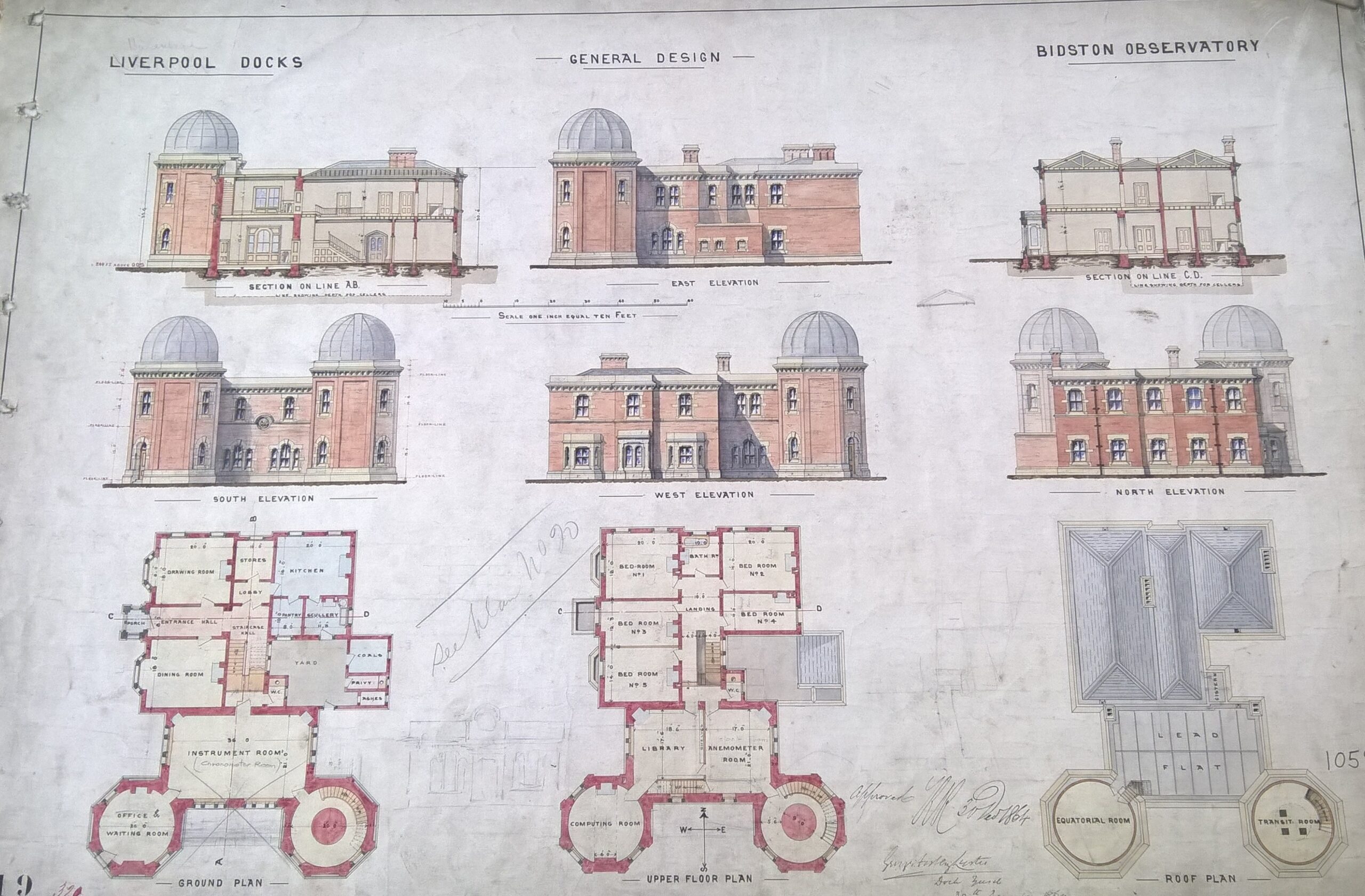
Its architectural features include subbasements cut into the sandstone bedrock, a vibration buffering moat, anemometer weather cabin and two observation domes.
Come and explore our heritage, online or in person.
HECS, our Heritage Education Centre Space, its currently in development and is open during tour times and when we have events. HECS is also the banner we host programming inspired by the sites history under. Events have included talks on palliative museology, weekend long working groups bringing together scientist, artists and members of the public and a deep dive into the relationship between scientific measurement, the perception of age and its impact on social mobility.
A Brief history
There are many chapters to the work taking place here. Here’s a quick time line.
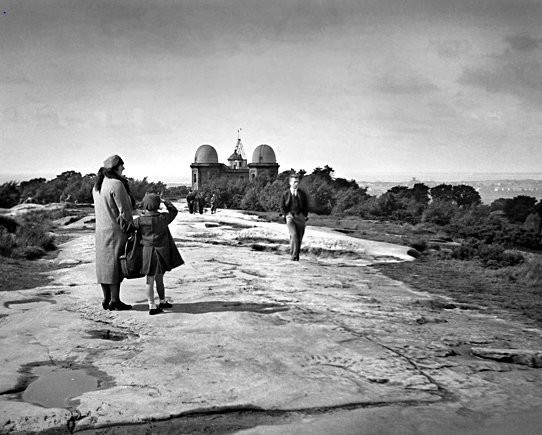
Bidston Observatory was built in 1866, when the expansion of Waterloo Dock forced Liverpool Observatory to re-locate to Bidston Hill. It was built alongside Bidston Lighthouse and Signals Station, on land owned by the Mersey Docks and Harbour Board. The stone was hewn from the hill where it stands. George Fosbery Lyster was the architect.
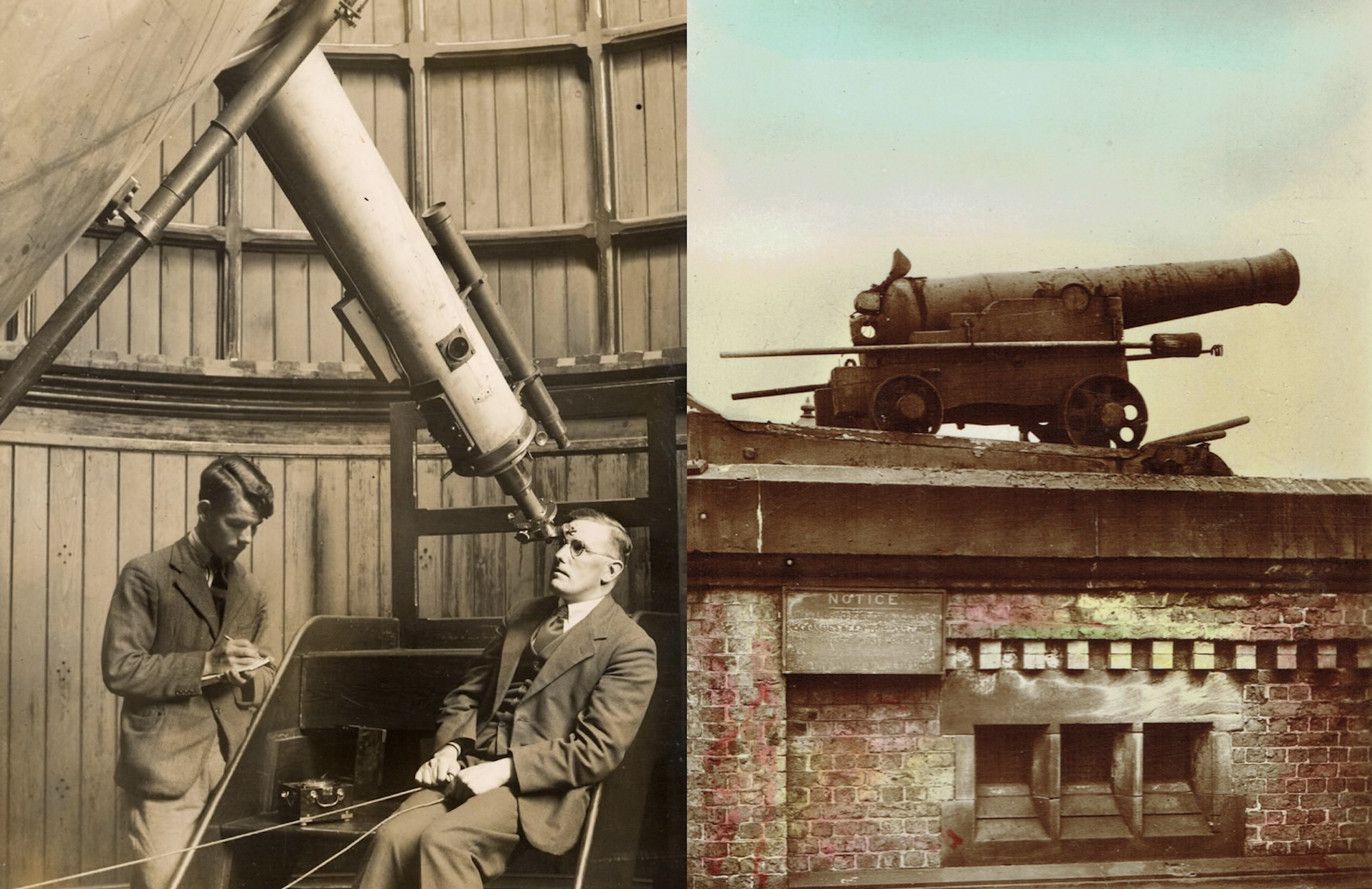
John Hartnup, astronomer and Assistant Secretary to the Royal Astronomical Society, had been the Director of Liverpool Observatory since it was built in 1843. Amongst his achievements was the calculation of the longitude of Liverpool, which was important for navigation and the development of the port. He presided over the move to Bidston Hill, and continued as director of Bidston Observatory until his retirement in 1885, when he was succeeded by his son (John Hertnup Jr) who sadly died in 1892, falling from the roof while making meteorological observations.
Earth tide research which studies the deformation of the earths solid crust under the gravitational pull of the moon (and sun to a lesser degree) started in the subbasements as early as 1890.
Over the years, the emphasis of the Observatory’s work shifted from astronomy to other things, but always in the tradition of Time and Tide, so important to the port of Liverpool.
Of Time. The progression from observations of the stars, to the determination of longitude, to the calibration of chronometers was a natural one. The Observatory’s two levels of cellars and other features made it especially suited for calibrating chronometers under controlled conditions of temperature and seismic vibrations. Mariners sent their chronometers from all over the empire for calibration at Bidston. The One-O-Clock gun at Morpeth Dock was signalled from Bidston Observatory.
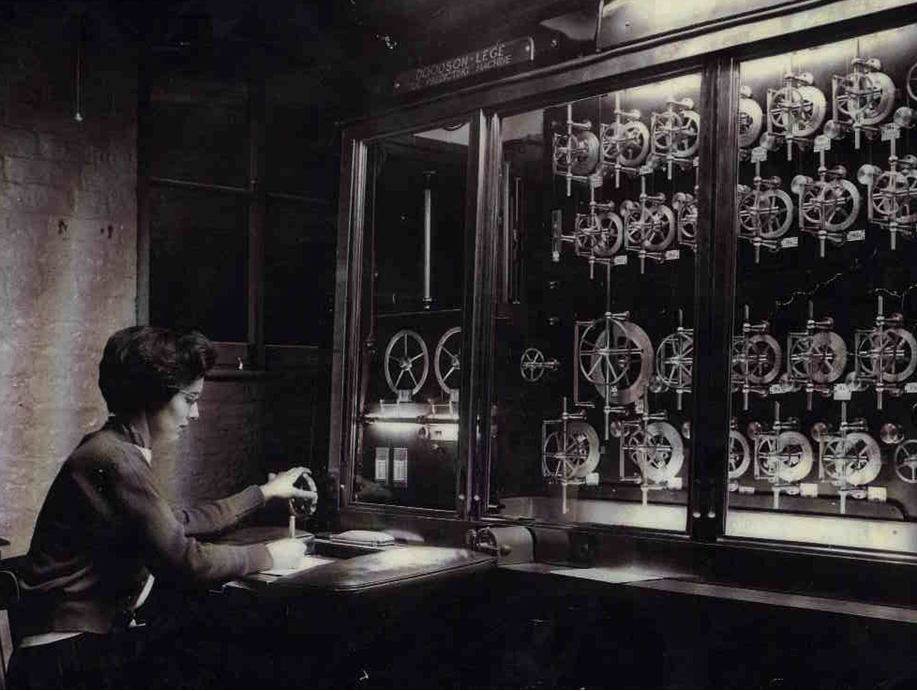
Of Tide. Ever since Liverpool’s harbour-master William Hutchinson took the first extended series of tidal measurements, Liverpool had led the world in tidal studies. This work became centred at Bidston Observatory when the Liverpool Tidal Institute was set up there under Joseph Proudman’s direction after World War I. Arthur Doodson’s work with mechanical computers for tide prediction happened here with one of his machines predicting the tides for the D-Day landings.
In 1969, the Natural Environment Research Council (NERC) took over responsibility for the Observatory. Oceanographic research continued to expand under their auspices. During the 1970’s, the Joseph Proudman Building was constructed in the former kitchen gardens of Bidston Lighthouse. In 1989, the Observatory, Lighthouse and the perimeter wall enclosing them became Grade-II listed buildings.
In 2004, the Proudman Oceanographic Laboratory moved from Bidston Hill to a new building at the University of Liverpool. Their oceanographic research is still continuing today, but now in the guise of the National Oceanography Centre.
The departure of the Proudman Oceanographic Laboratory from Bidston Hill began a 12-year limbo for the site. Planning permission was granted to a local developer to convert the Observatory into four luxury apartments. In 2014 the Joseph Proudman Building was demolished and a period of systematic neglect saw a rapid deterioration of the fabric of the building, with it being considered for the Heritage at Risk register in 2016.
It was privately purchased on behalf of BOARC in 2016. Strip out, planning and refurbishment took three years and included the full roof renovations, installation of hot water systems, total rewiring as well as large scale repairs to the interior from the effects of long term water ingress. BOARC encoporated early 2018 and opened that summer its has a longterm lease for a peppercorn rent.
The above text by Dr Stephen Pickles comes from an informative website, originally set up by local enthusiasts and people who worked at the site. It is independent of BOARC but we recommend it for anyone interested in knowing more.
From the Archive
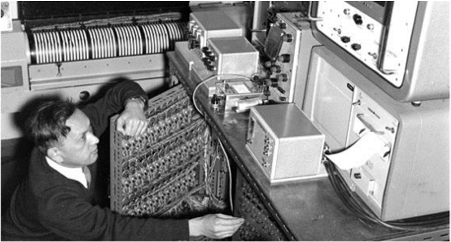
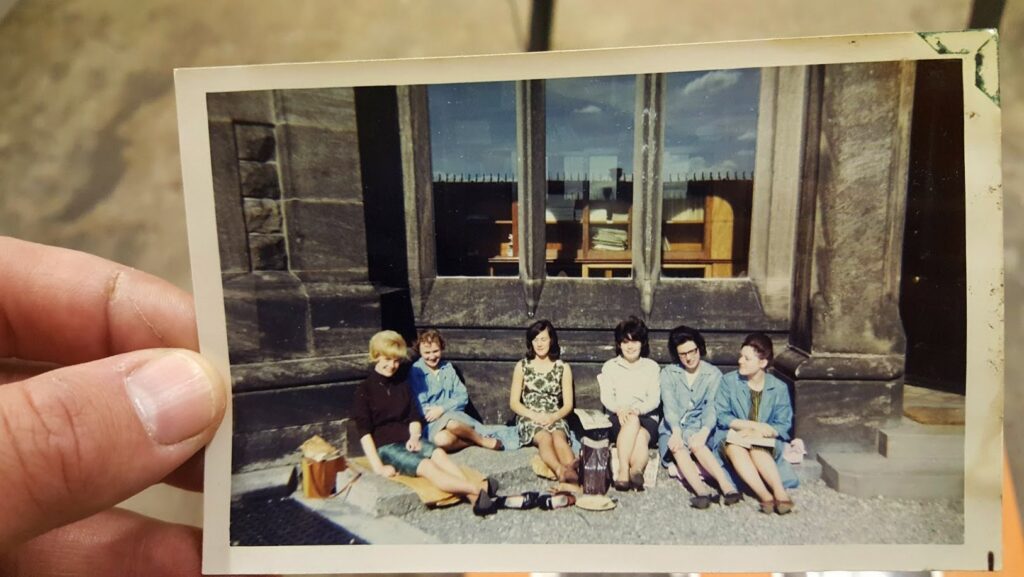
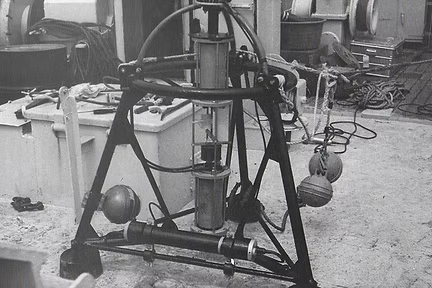
IMAGE CREDITS – BOARC’s archive (@hecs_bids_OBS) with thanks to Valerie Doodson, Joyce Scoffield, Stephen Pickles, Phil Woodworth and the National Oceanographic Council
Elevations, Sections and Plans of Bidston Observatory by George Fosbery Lyster, 1864. Original in the Mersey Docks and Harbour Board Collection at the Merseyside Maritime Museum Archive.